Such great responses to the last few posts!
Here's prompts from people for tomorrow's readings, Lonely Planet and The Baltimore Waltz
From Grant:
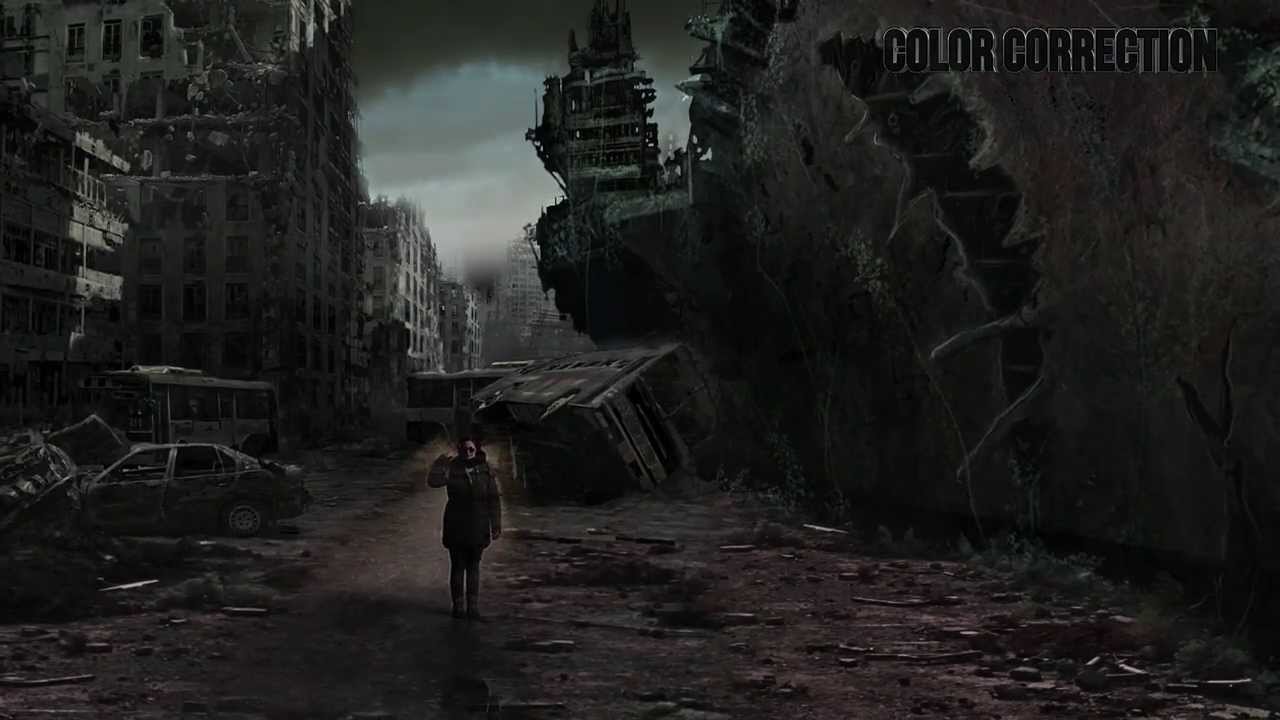
These plays are done closer to the closing of the aids issue. The people in these plays experience the sorrow first had the deaths of people all around them and a death of a close one. Time passes the more advanced we become the world is nothing like it use to be we can do extraordinary things in the new world we live in. The truth is though that we lie on the technology that has advanced our lives to the better and the worst. The times of the aides crisis this was not available but to what it seems the people hire up did not want it to be available for the gay community. The dent it left was staggering and horrifying because it was not a priority it was thrown out and put on the back burner and this is why these to plays east. The lack of advancement and help for the aids crisis. My question is are we going to create plays like this art like this about our loved ones or, Will the world let it disappear because most people are not being drilled by it just seeing it online? My artifact is a painting from ww2 after the war and how it destroyed there homes and left them with nothing this is to show how much damage the virus is doing but not everyone gets to see first hand families being destroyed by this cover 19 pandemic. This damage is equivalent to the physical damage that destroyed all the towns and places in Europe leaving destruction in everyone's wake. That is my curiosity: will this ceased to be remembered and shown through physical art and representation or will it be just a digital blip?
###
From Jackson:
Both plays for today focus on what life was like for those who lived through the AIDS epidemic, rather than those who were killed by it. Dr. Fletcher has advised more than once that we keep a journal throughout this period of our lives, because it will be quite historic to review once we're past it.
In Lonely Planet, Jody's map store can be taken as a metaphor for his mind. There are several mentions of it being "cluttered", and Carl prods him for never leaving the map store, never getting out of his head. The chairs themselves serve as artifacts that permanently occupy space in Jody's mind, and the more the chairs pile up, the less space is left for Jody to conduct normal operations, like serving customers (metaphorically dealing with daily demands).
My artifact is this article which describes an exhibit of the US Holocaust Museum of family artifacts, similar to the chairs from Lonely Planet. What do you think the artifacts from the covid-19 period will look like? Tweets? Tik-toks?
###
From Noah:
"Maybe its comforting to us because we too have our blind spots. We too have things on the periphery of our lives that we distort - in order to best focus on the things in front of us. In order to best navigate through our days." - Jody from Lonely Planet
This line gave me the words I needed to recognize my own distorted mind. There are days when I feel I am on autopilot, trapped in a room of my own fear like Jody; finding comfort in my blind spots, that I don't have to face my reality.
Both plays are connected in that aspect. They both present a character that takes refuge in a distorted reality in order to not face whats in front of them. For Anna, in The Baltimore Waltz, she fantasizes about a trip across Europe with her brother where she was the one with the illness instead of him. For Jody, in Lonely Planet, he isolates himself within his map store in order to hide from the rising death tolls in his community.
The thing about fantasies is that they are fantasies. They are lies. They are not real. At the end of the rainbow there isn't more rainbow, there is just cold, hard reality. Greenland isn't that big on the map, its smaller. The world is terrifying and lonely and stressful. However, both of these plays don't end like that. They refuse too. Instead, they show that we can face our scary realities hand in hand. Its our relationships that make us brave enough to step outside.
To quote Steven Dietz, the playwright of Lonely Planet, "I believe...our legacy is our friends. We write our history onto them, and they walk with us through our days like time capsules, filled with our mutual past, the fragments of our hearts and minds."
Do you agree with Dietz? What other things might be our legacy? Have you ever felt like you were distorting your reality? How can we break through our distortions to see the truth?
Artifact: Here is a link to Ian Mckellen and Patrick Stewarts' version of Waiting for Godot. I noticed it had many similarities to Lonely Planet; for instance, the two characters are two halves of a whole, the dialogue is absurd and at sometimes trivial, there is a sense of isolation and waiting and sometimes moments where nothing happens. From this scene, can you recognize any other similarities? Do you think this could have been an inspiration for Dietz?
From Ashley--
Vogel of the Baltimore Waltz suffered the sorrow of losing her brother to AIDS in 1988. The play was written the following year and contains memories of Carl in pain of loss. In the play, we find traces of her emotions dealing with the loss of a loved one. She’s not just expressing the illness and death tragically, but she’s also showing wit in her own unique way. In a way, she is dramatically reenacting her past experience using her readers as an audience. Maybe she’s showing how to heal her pain through the creation of the play.
The play demonstrates criticism of homophobia in mainstream society through conflicting factors such as death and desire, disease, and fantasy. Her unique technique brings the audience to face the issues of the times.
Through children participating sports part, Vogel makes the play a place where people can feel the existence of the community is marginalized. In addition to this part, where else is Vogel’s therapeutic gesture we can find at the play? Also, how can we dramatize the importance of the community experience that she stressed into the present society as a therapeutic function of theatre through disease plays and dramas?
https://www.washingtonpost.com/entertainment/theater_dance/paula-vogels-aids-era-baltimore-waltz-sings-a-slightly-different-tune/2019/01/23/b552d190-1ea0-11e9-8e21-59a09ff1e2a1_story.html
###
For your musical zen for the day, here's NOLA's own Tank and the Bangas. I find them best served lived, as in their three-set performance at NPR's "Tiny Desk" performance (where artists perform in NPR's tiny office. Tank and the Banga's won the 2017 Tiny Desk contest for top group.)
As an extra, here's Tarriona "Tank" Ball with a pandemic coffee desk mini-concert
Love!
JF


No comments:
Post a Comment